
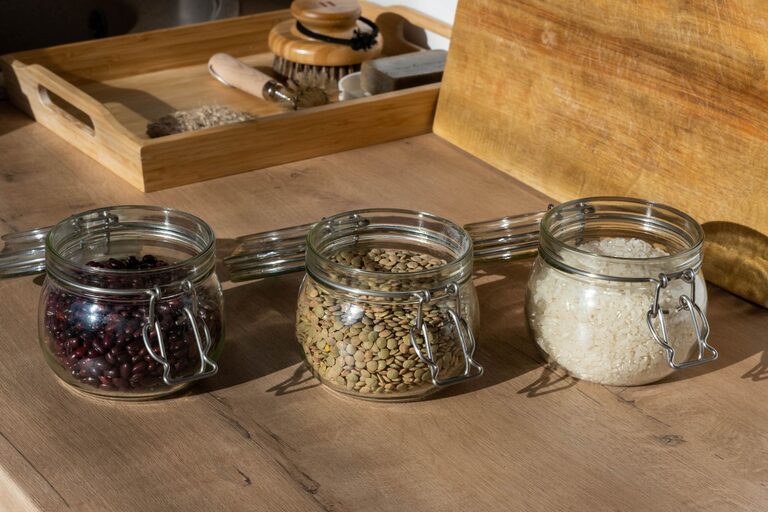
Planning meals from pantry staples can save time, reduce food waste, and make busy days easier. A well-stocked pantry gives you a flexible foundation for soups, pasta dishes, grain bowls, casseroles, and quick skillet meals. You do not need a large collection of specialty ingredients. With a few basic foods and a simple planning system, you can create satisfying meals from what you already have.
Start With a Pantry Inventory
Before planning meals, take a quick look at your shelves, refrigerator, and freezer. Group similar items together and note what needs to be used soon.
Common pantry staples include:
– Rice, pasta, oats, and other grains
– Canned beans, lentils, tomatoes, and vegetables
– Flour, breadcrumbs, and baking mixes
– Broth, stock cubes, and canned coconut milk
– Peanut butter, nuts, and seeds
– Cooking oil, vinegar, and sauces
– Dried herbs, spices, salt, and pepper
Also check for fresh ingredients that can add flavor or texture, such as onions, garlic, carrots, potatoes, eggs, cheese, and leafy greens.
You do not need to create a perfect inventory. A short list on paper or in your phone is enough. Mark items that are close to their best-by dates or foods that have already been opened. These ingredients should guide your first few meals.
Use a Simple Meal-Building Formula
A useful way to plan pantry meals is to combine four basic parts:
- **A main base:** rice, pasta, potatoes, bread, oats, or another grain
- **A source of protein:** beans, lentils, eggs, canned fish, nuts, seeds, or meat from the freezer
- **Vegetables or fruit:** canned, frozen, fresh, or dried
- **A flavor combination:** herbs, spices, sauces, broth, cheese, or a dressing
This formula keeps meals balanced and makes it easier to substitute ingredients. For example, a rice bowl can use black beans, canned corn, salsa, and cheese. If you do not have rice, use pasta, couscous, or baked potatoes instead.
Thinking in components is more flexible than following a recipe exactly. You can adjust the meal based on what is available and avoid buying several new ingredients for one dish.
Plan Around Versatile Ingredients
Some pantry staples can be used in many different meals. These are especially helpful when you want to shop less often.
Canned tomatoes
Canned tomatoes can become pasta sauce, soup, chili, or a base for a bean stew. Add garlic, onions, Italian herbs, or smoked paprika to change the flavor.
Beans and lentils
Beans work well in tacos, salads, soups, rice bowls, and casseroles. Lentils can be added to tomato sauce, cooked with rice, or simmered with broth and vegetables.
Rice and grains
Rice, quinoa, barley, and couscous can serve as side dishes or the center of a meal. Cooked grains can be mixed with beans, vegetables, eggs, or leftover meat.
Pasta
Pasta is useful for more than traditional tomato sauce. Toss it with canned tuna, beans, frozen vegetables, pesto, olive oil, or a simple garlic and cheese sauce.
Oats
Oats are an easy breakfast base, but they can also be used in baked dishes, muffins, savory oat bowls, or as a coating for patties and casseroles.
Choose a Weekly Meal Pattern
Instead of planning seven completely different meals, choose a few meal types and repeat useful ingredients. This reduces decision-making and makes shopping more efficient.
A simple weekly plan might include:
– One soup or stew
– One pasta meal
– One rice or grain bowl
– One baked casserole
– One breakfast-for-dinner meal
– One leftover night
– One flexible meal using remaining ingredients
For example, you could make a large pot of tomato and lentil soup early in the week. Later, use the remaining lentils or vegetables in a grain bowl. A batch of cooked rice can serve as a side dish, filling, or base for fried rice.
Repeating ingredients does not mean every meal has to taste the same. Change the seasonings, sauces, and cooking methods to create variety.
Build Meals From Flavor Themes
Flavor themes help pantry meals feel more interesting. Use the same basic ingredients with different seasonings.
Italian-inspired
Combine pasta or beans with canned tomatoes, garlic, basil, oregano, and Parmesan or another grated cheese.
Mexican-inspired
Pair rice or tortillas with beans, corn, tomatoes, chili powder, cumin, salsa, and lime juice if available.
Mediterranean-inspired
Use chickpeas, grains, canned vegetables, olives, lemon juice, garlic, and dried herbs. Add yogurt or feta for extra flavor.
Asian-inspired
Combine rice or noodles with soy sauce, peanut butter, sesame oil, ginger, garlic, and frozen vegetables.
These are broad flavor ideas rather than strict recipes. Use what you have and adjust the seasonings gradually.
Add a Few Fresh Ingredients
Pantry meals are easier and more enjoyable when paired with a small number of fresh foods. You do not need a large shopping list. Choose ingredients that can be used in several meals.
Useful options include:
– Onions and garlic
– Carrots and celery
– Potatoes or sweet potatoes
– Cabbage
– Apples or bananas
– Eggs
– Fresh greens
– Lemons or limes
– Yogurt or shredded cheese
A bag of carrots can go into soup, roasted vegetable dishes, grain bowls, and salads. Eggs can be used for breakfast, fried rice, pasta dishes, or sandwiches. Select foods that match several planned meals rather than ingredients with only one purpose.
Cook Once and Use Ingredients Twice
Batch cooking does not have to mean preparing every meal for the week. Instead, cook one or two basic components that can be reused.
You might:
– Cook a pot of rice for several meals
– Roast a tray of vegetables
– Prepare a large batch of beans or lentils
– Make a versatile tomato sauce
– Boil several eggs
– Wash and cut vegetables for quick use
For example, roasted vegetables can be served with rice, folded into an omelet, added to pasta, or used in a wrap. A tomato sauce can become a pasta topping, soup base, or casserole ingredient.
Store cooked foods in covered containers and refrigerate them promptly. Use leftovers within a reasonable time and freeze portions that will not be eaten soon.
Keep Backup Meals on Hand
Even the best meal plan can change. Keep a few nearly effortless meals available for busy days.
Good backup options include:
– Bean and cheese quesadillas
– Pasta with canned tomatoes
– Rice with eggs and frozen vegetables
– Oatmeal with fruit and peanut butter
– Tomato soup with toast
– Tuna or chickpea salad sandwiches
– Lentil soup with crackers or bread
These meals rely on basic ingredients and can usually be adjusted without a trip to the store.
Make a Short Shopping List
After planning from your pantry, shop only for the items that complete your meals. Focus on missing components rather than starting from scratch.
A practical list might include:
– Two or three fresh vegetables
– One or two fruits
– Eggs, cheese, or yogurt
– A fresh herb or citrus fruit
– Bread or tortillas
– A protein for the freezer, if needed
Review your list before shopping and check whether an existing ingredient can serve as a substitute. This habit helps control costs and prevents the pantry from becoming overcrowded.
Review What Worked
At the end of the week, take a few minutes to note which meals were easy, filling, and worth repeating. You may discover that certain pantry combinations work especially well for your household.
Keep a short list of reliable meals, such as:
– Chickpea tomato curry
– Black bean rice bowls
– Lentil pasta sauce
– Vegetable and bean soup
– Tuna pasta salad
– Peanut noodles with vegetables
Over time, this list becomes a personal meal-planning guide. Planning from pantry staples is not about following strict rules. It is about using what you have creatively, buying with purpose, and making everyday cooking feel more manageable.